


Remote Refrigerated Display Cases
Shop remote refrigerated display cases for supermarkets, grocery stores and delis. Compare open multi-deck merchandisers, service deli and meat cases, and glass-door display coolers and freezers for a retail layout with separately located refrigeration equipment.Build the display around your store and your productsA refrigerated retail display has two jobs: present your assortment clearly and maintain the conditions each product needs. Start with what you sell, how customers shop and whether staff serve from behind the case. Then compare the case footprint, usable display area, access and refrigeration requirements.Open multi-deck merchandisers: multi-level displays for self-service shopping. Select a model whose documented application matches your packaged products; an open case is not automatically suitable for every meat, dairy or produce item.Deli, meat and gravity-coil cases: service-counter formats for staffed departments. Compare glass configuration, rear access, display shelves and storage where included. Confirm suitability for exposed food on the individual model.Combination cases: different display or service areas in one cabinet. Check how each section is cooled and which sections are intended for merchandising or storage.Glass-door coolers and freezers: enclosed retail displays for the required chilled or frozen application. Cooler and freezer models are not interchangeable.What does remote refrigeration mean?A remote case is designed to work with refrigeration equipment located separately from the display cabinet. It is not the same purchasing decision as a self-contained merchandiser with an integral refrigeration system. The location and configuration of that separate equipment depend on the model and the installation design.Check the scope of supply carefully. A remote designation does not, by itself, tell you whether a condensing unit, controls, piping or installation is included in the listed price. Review the product documents and confirm the complete equipment schedule before ordering. Do not size a condensing unit from cabinet length alone.Plan the installation before choosing a modelProduct and temperature: identify the foods being displayed, the required operating range and any manufacturer restrictions.Store layout: measure aisle clearance, service access, door openings and the delivery route, not just the space where the case will stand.Refrigeration design: have a qualified refrigeration professional confirm the case load, compatible equipment, refrigerant and site conditions.Utilities: verify electrical requirements for the cabinet and refrigeration equipment, plus drainage and condensate arrangements.Operating environment: review the manufacturer's ambient temperature, humidity, airflow and loading requirements. These conditions vary by model.Remote or self-contained for your retail project?Remote cases are worth considering when your project includes a separately designed refrigeration installation. If you need to compare cabinets with built-in refrigeration, browse our self-contained refrigerated display cases. Neither arrangement is automatically the best choice for every store; compare installation scope, available utilities, service access and total project requirements.For an assortment-led starting point, explore produce displays, dairy and beverage refrigeration or meat and seafood equipment. Department collections may include both refrigeration arrangements, so check the model before selecting it.Plan your store project with your floor plan, product list and preferred models, or contact Supermarket World at (888) 811-2268 or sales@supermarketworld.com to confirm the scope of your selection. Show moreShow less
Shop remote refrigerated display cases for supermarkets, grocery stores and delis. Compare open multi-deck merchandisers, service deli and meat cases, and glass-door display coolers and freezers for a retail layout with separately located refrigeration equipment.
Build the display around your store and your products
A refrigerated retail display has two jobs: present your assortment clearly and maintain the conditions each product needs. Start with what you sell, how customers shop and whether staff serve from behind the case. Then compare the case footprint, usable display area, access and refrigeration requirements.
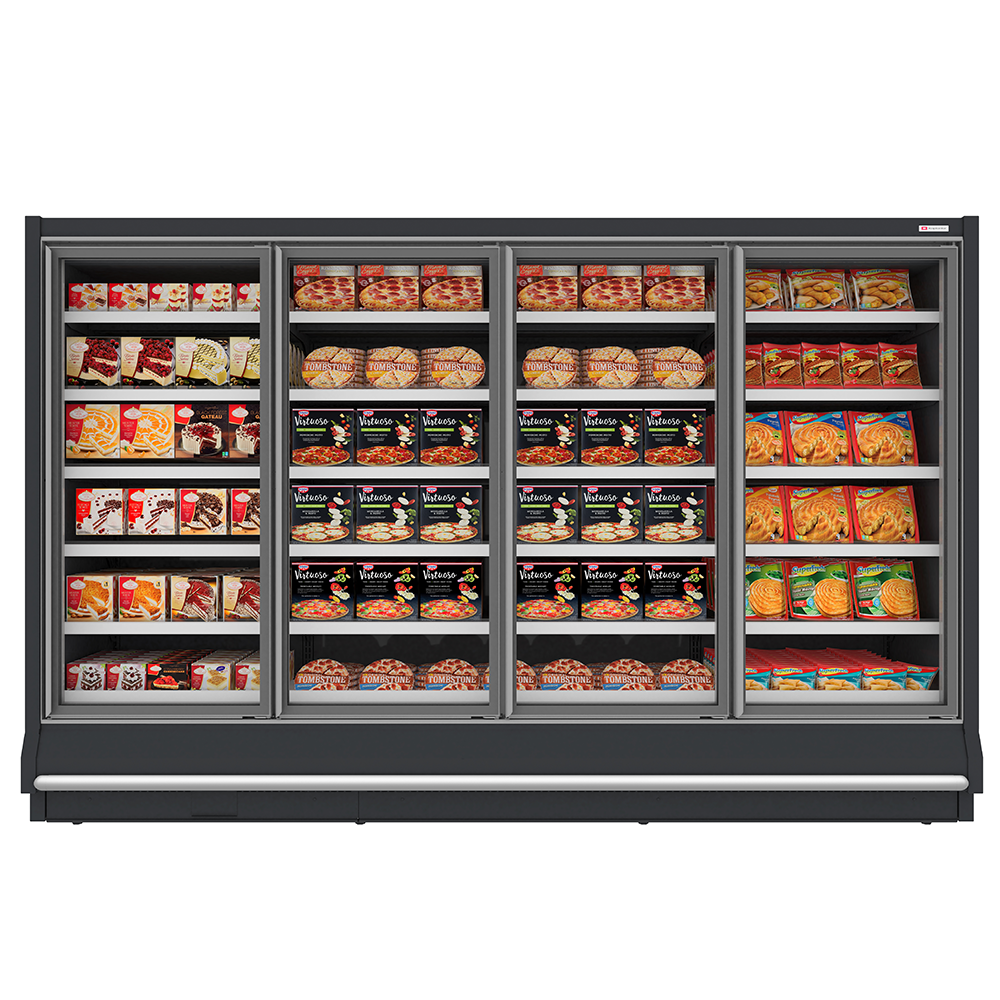
- Open multi-deck merchandisers: multi-level displays for self-service shopping. Select a model whose documented application matches your packaged products; an open case is not automatically suitable for every meat, dairy or produce item.
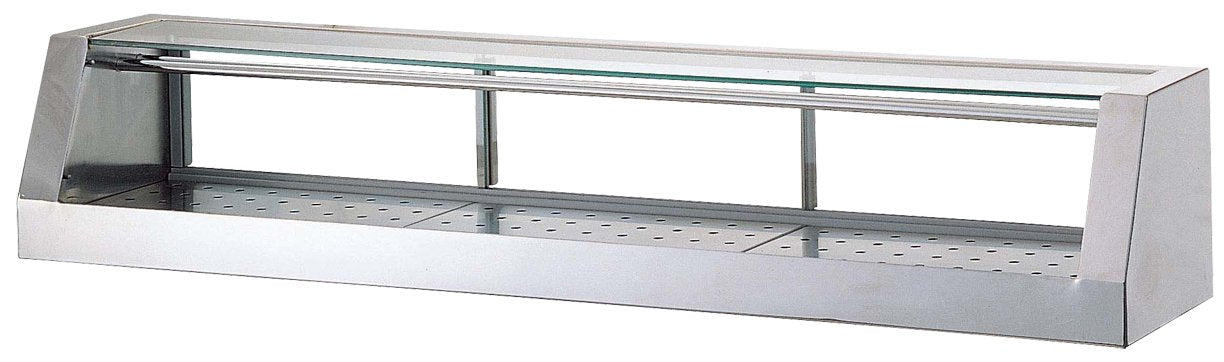
- Deli, meat and gravity-coil cases: service-counter formats for staffed departments. Compare glass configuration, rear access, display shelves and storage where included. Confirm suitability for exposed food on the individual model.
- Combination cases: different display or service areas in one cabinet. Check how each section is cooled and which sections are intended for merchandising or storage.
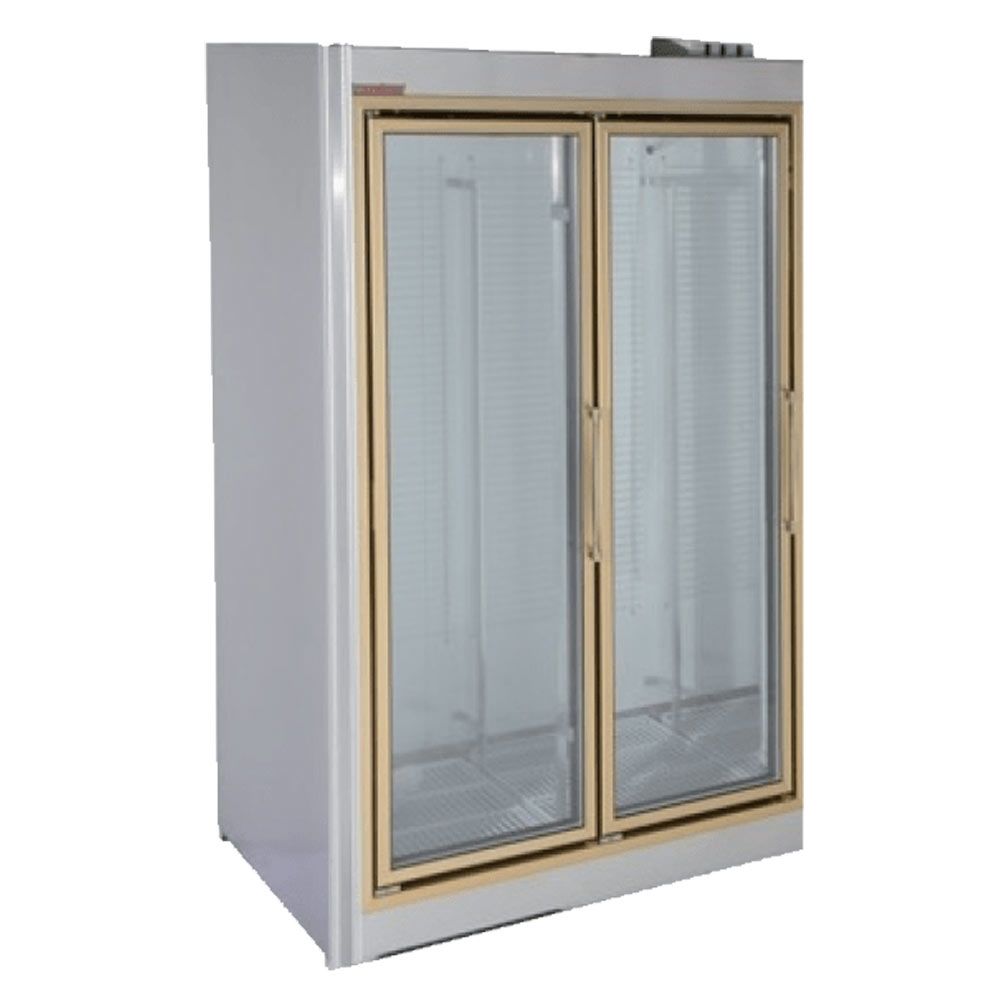
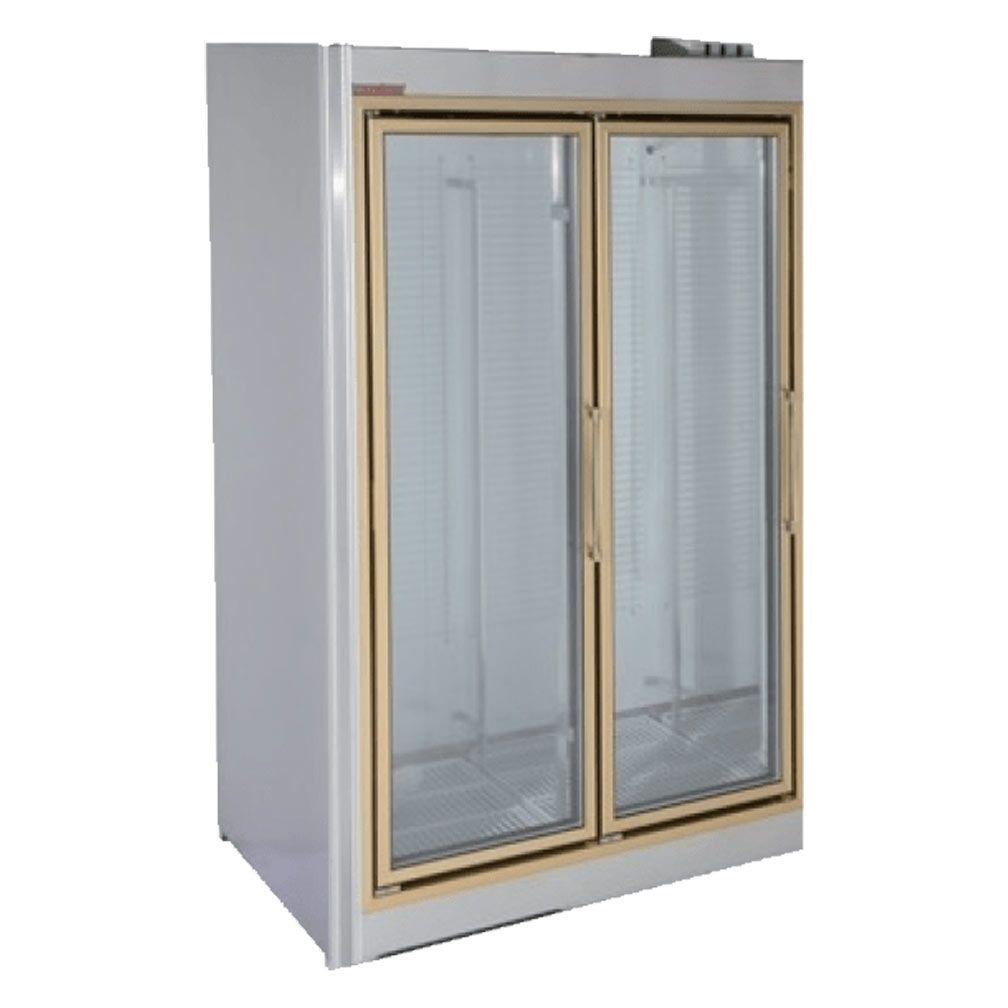
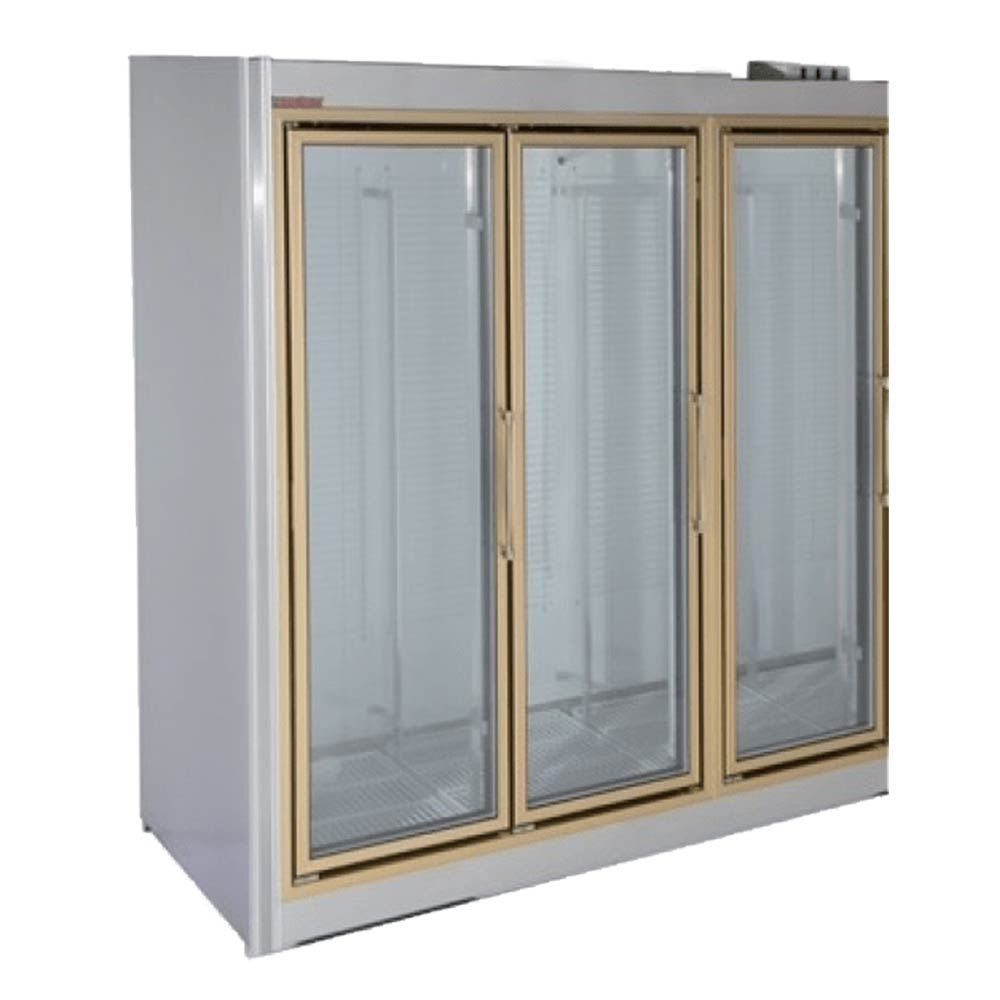
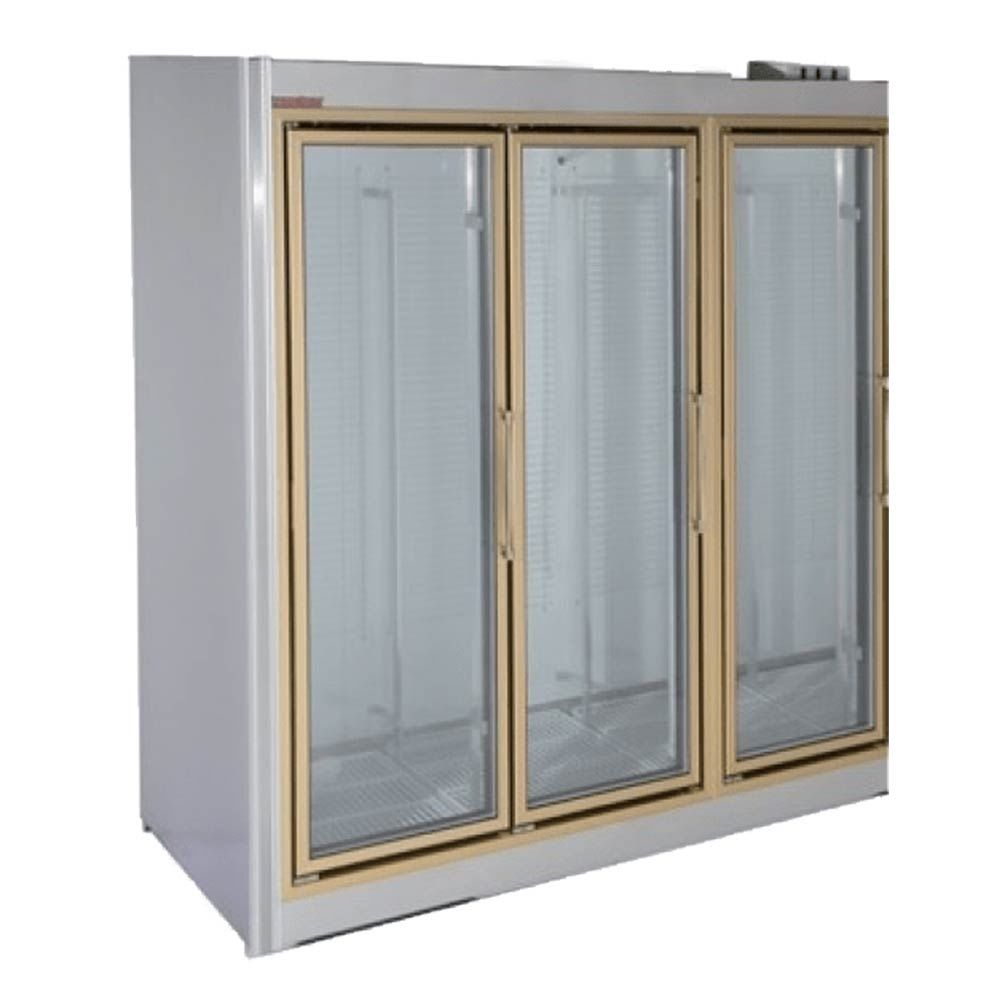
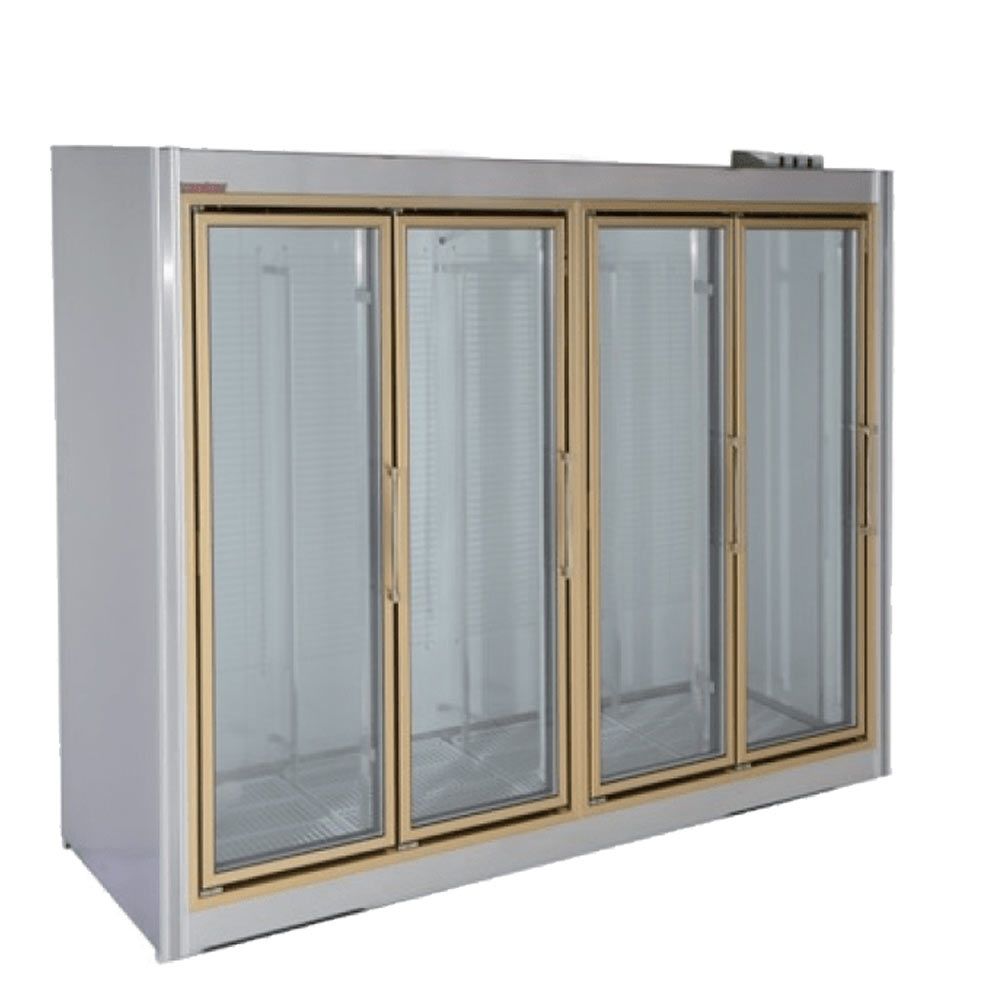
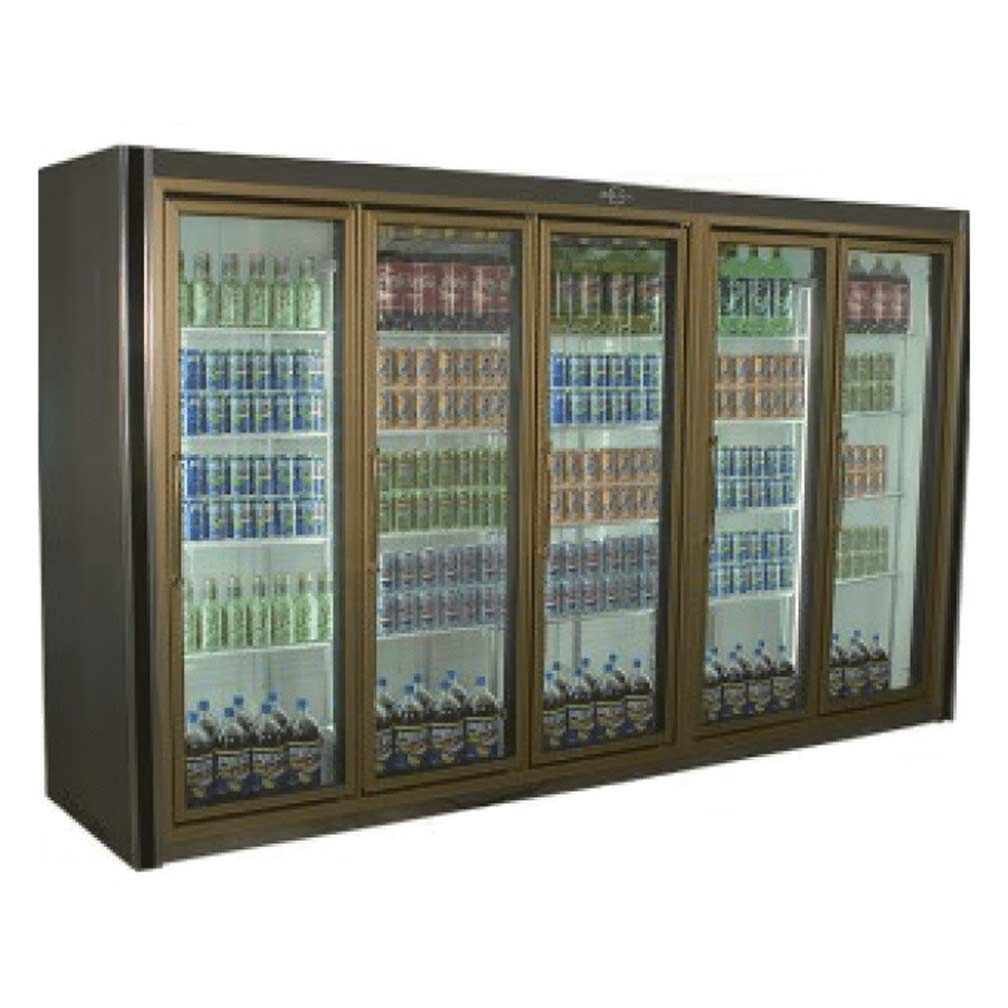
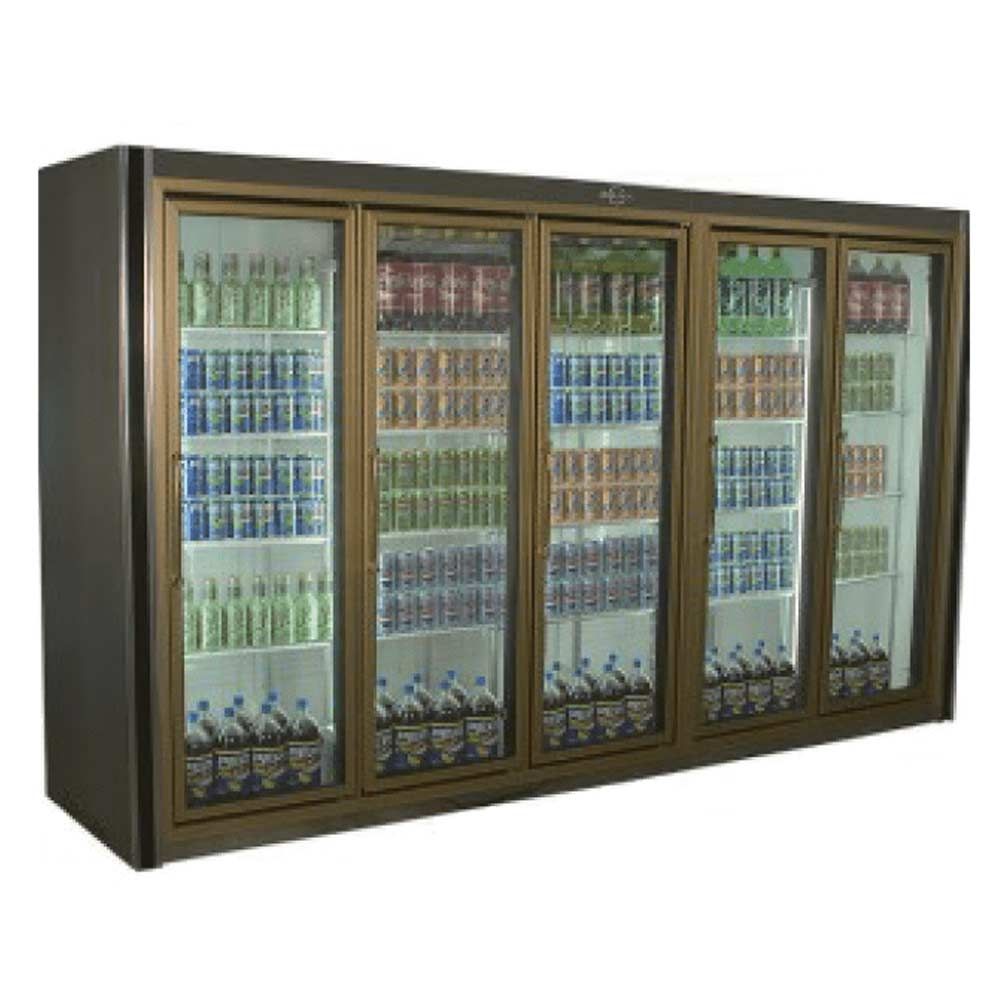
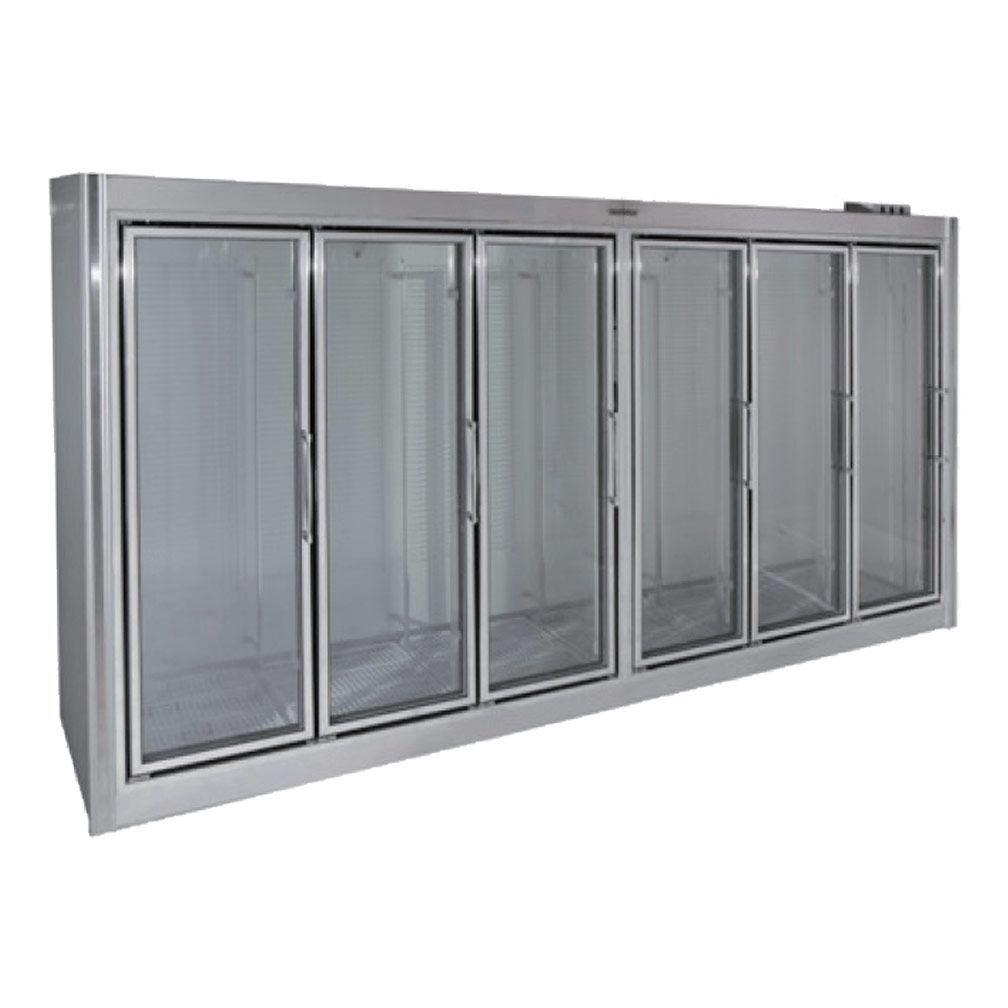
- Glass-door coolers and freezers: enclosed retail displays for the required chilled or frozen application. Cooler and freezer models are not interchangeable.
What does remote refrigeration mean?
A remote case is designed to work with refrigeration equipment located separately from the display cabinet. It is not the same purchasing decision as a self-contained merchandiser with an integral refrigeration system. The location and configuration of that separate equipment depend on the model and the installation design.
Check the scope of supply carefully. A remote designation does not, by itself, tell you whether a condensing unit, controls, piping or installation is included in the listed price. Review the product documents and confirm the complete equipment schedule before ordering. Do not size a condensing unit from cabinet length alone.
Plan the installation before choosing a model
- Product and temperature: identify the foods being displayed, the required operating range and any manufacturer restrictions.
- Store layout: measure aisle clearance, service access, door openings and the delivery route, not just the space where the case will stand.
- Refrigeration design: have a qualified refrigeration professional confirm the case load, compatible equipment, refrigerant and site conditions.
- Utilities: verify electrical requirements for the cabinet and refrigeration equipment, plus drainage and condensate arrangements.
- Operating environment: review the manufacturer's ambient temperature, humidity, airflow and loading requirements. These conditions vary by model.
Remote or self-contained for your retail project?
Remote cases are worth considering when your project includes a separately designed refrigeration installation. If you need to compare cabinets with built-in refrigeration, browse our self-contained refrigerated display cases. Neither arrangement is automatically the best choice for every store; compare installation scope, available utilities, service access and total project requirements.
For an assortment-led starting point, explore produce displays, dairy and beverage refrigeration or meat and seafood equipment. Department collections may include both refrigeration arrangements, so check the model before selecting it.
Plan your store project with your floor plan, product list and preferred models, or contact Supermarket World at (888) 811-2268 or sales@supermarketworld.com to confirm the scope of your selection.
Free Shipping
Free Shipping
Free Shipping
Free Shipping
Free Shipping
Free Shipping
Free Shipping
Free Shipping
Free Shipping
Free Shipping
Free Shipping
Free Shipping